

Dreams Of Sporting Excellence Will Not Materialize If SAI Remains Woefully Under-Staffed
 Editor-in-Chief of indiacommentary.com. Current Affairs analyst and political commentator. Author of Cyber Scams in India, Digital Arrest, The Money Trap and The Human Hack
View all posts by this Author
Editor-in-Chief of indiacommentary.com. Current Affairs analyst and political commentator. Author of Cyber Scams in India, Digital Arrest, The Money Trap and The Human Hack
View all posts by this Author
By Sunil Garodia
First publised on 2025-12-09 14:35:02
About the Author
Editor-in-Chief of indiacommentary.com. Current Affairs analyst and political commentator. Author of Cyber Scams in India, Digital Arrest, The Money Trap and The Human Hack
View all posts by this Author
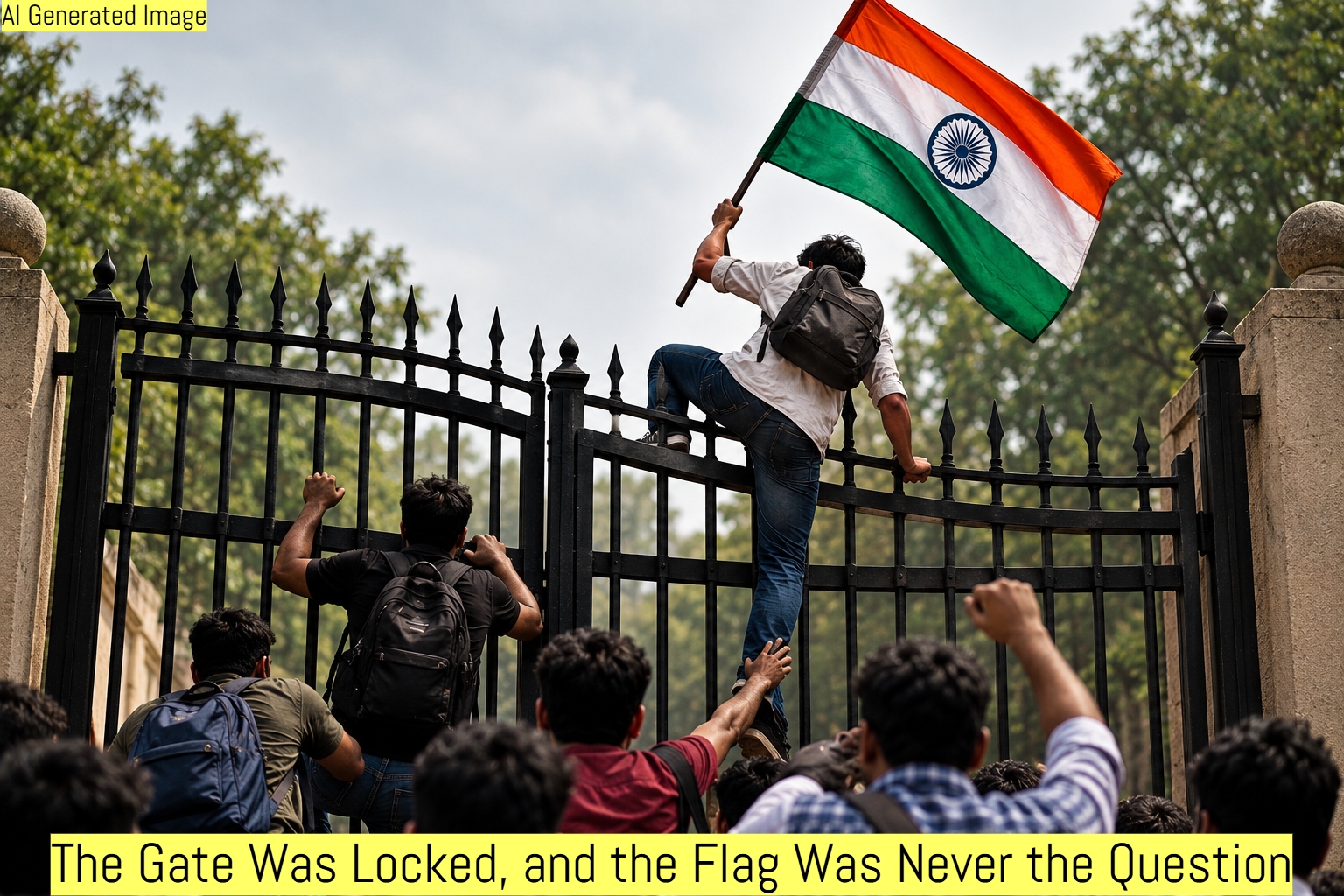
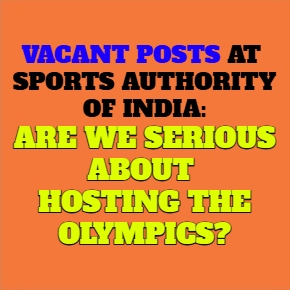
Even as the cacophonous debate over Vande Mataram gathered steam, a far more consequential disclosure slipped into the parliamentary record on Monday. Sports Minister Mansukh Mandaviya, in a written reply, admitted that 1,116 posts are lying vacant at the Sports Authority of India (SAI).
By itself, this may not sound earth-shattering. Dozens of government bodies operate with scandalous staffing deficits. But in the context of India's loudly proclaimed sporting ambitions, this disclosure strips the "sports superpower" narrative bare. It tells us that behind the chest-thumping, slogans and optics, the institutional machinery meant to produce champions is being quietly hollowed out.
India's sporting rise over the last decade has come largely through individual brilliance and private ecosystem push - elite academies, corporate sponsorships, foreign training exposure. The state apparatus, anchored by SAI, is meant to provide the mass base: grassroots scouting, scientific conditioning, injury management, long-term athlete development and national infrastructure.
If that system is crippled by manpower shortages, then the "sporting powerhouse" dream is reduced to a propaganda slogan, not a policy outcome. China built dominance through ruthless institutional capacity. Australia did it through professionally staffed decentralized systems. India cannot leapfrog systemic weakness with televised enthusiasm.
Vacancies are not a clerical issue. They have real sporting consequences. When coaches, trainers, physiotherapists, nutritionists, scouts and administrators are missing, talent identification at the district and rural level shrinks. Athlete tracking breaks down. Injury rehabilitation becomes uneven. Sports science is sidelined. Anti-doping oversight weakens. Procurement stalls. International exposure suffers. Medals are not won with motivational speeches. They are won with systems that work.
This failure becomes even more dangerous when placed against India's global ambitions. Ahmadabad has been officially confirmed as the host of the 2030 Commonwealth Games. The Olympics is no longer a whispered dream - it is being openly marketed.
Here is the uncomfortable truth: if SAI cannot even fill sanctioned posts to run its existing centres and academies, how exactly does the state plan to manage the logistical, human-resource and technical complexity of hosting the Olympics? Every serious Olympic host spends a decade strengthening sporting bureaucracy before chasing spectacle. India, instead, weakens its primary sports institution while selling global dreams. That is governance inverted.
A Parliamentary committee warning is not a routine footnote. It is a cross-party institutional alarm. When the Sports Minister confirms these vacancies in Parliament, it formally establishes state knowledge of failure. From that moment onward, inaction is no longer inefficiency - it becomes policy negligence.
And negligence in sport is not just about disappointing medal tallies. It damages youth employment in coaching and sports science. It weakens public health and fitness infrastructure. It erodes India's credibility in international sports governance. It disrupts long-term defence, police and paramilitary sports pipelines. Sport today is not mere entertainment. It is strategic soft power.
What official replies will not say bluntly is that existing SAI staff are being stretched beyond limits, often handling multiple roles across disciplines for which they were never trained. This "adjustment culture" may keep files moving, but it kills performance excellence. High-performance sport is ruthless about specialization. Generalists do not win Olympic finals.
If this situation continues unchecked, India is not marching towards sporting superpower status. It is drifting towards an administrative burnout crisis that will quietly undo whatever momentum the nation built after the Tokyo Olympics and the Paris Olympics.
Dreams do not build champions. Institutions do. And right now, administrative paralysis in India is dismantling the very institution it claims will take it to the top.