

SC Glare On Delhi HC Order, But Bail Allowed
 Editor-in-Chief of indiacommentary.com. Current Affairs analyst and political commentator. Author of Cyber Scams in India, Digital Arrest, The Money Trap and The Human Hack
View all posts by this Author
Editor-in-Chief of indiacommentary.com. Current Affairs analyst and political commentator. Author of Cyber Scams in India, Digital Arrest, The Money Trap and The Human Hack
View all posts by this Author
By Sunil Garodia
First publised on 2021-06-18 14:01:56
About the Author
Editor-in-Chief of indiacommentary.com. Current Affairs analyst and political commentator. Author of Cyber Scams in India, Digital Arrest, The Money Trap and The Human Hack
View all posts by this Author
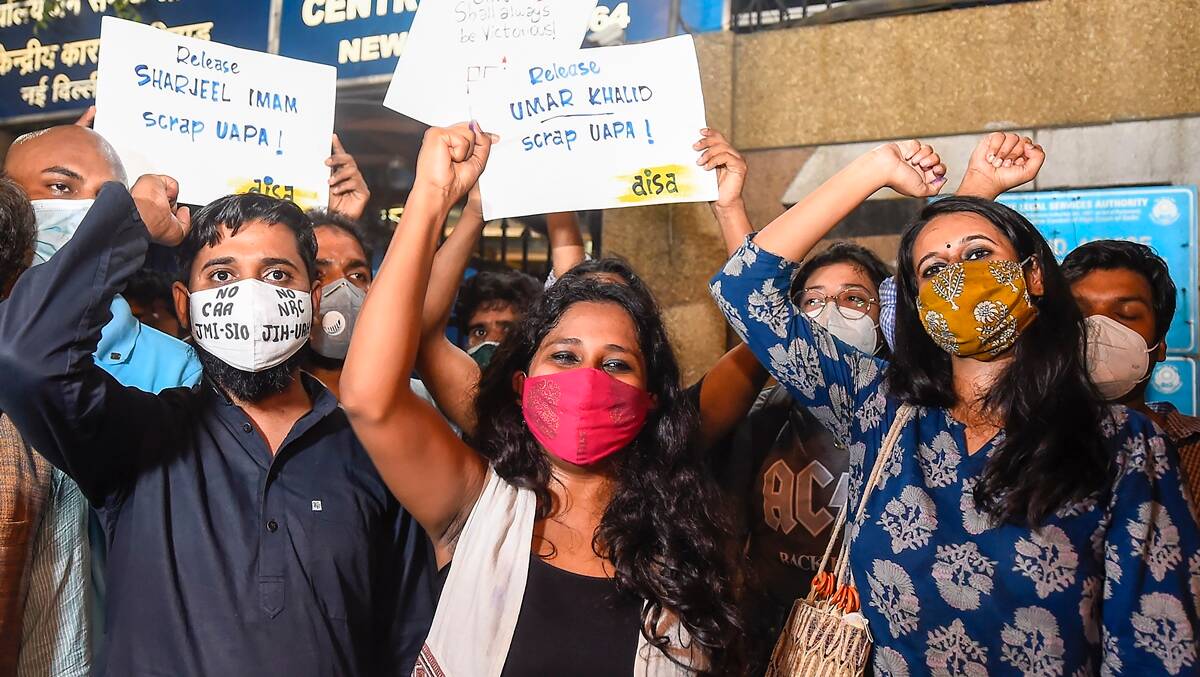
It is disturbing to note that of late, the police and jail authorities fail to honour the orders of High Courts and even the Supreme Court in the matter of releasing persons granted bail within the time limit specified by law. The way Delhi Police tried to obstruct the release of student activists Natasha Narwal, Devangana Kalita and Asif Iqbal Tanha on the pretext of verification of hometown addresses was disgusting. It was not as if the accused had been arrested a few days or a few weeks ago. They have been in jail for more than one year. By this time, if the prosecution was serious about getting a conviction for the very serious charges slapped on them, it should have verified the addresses.
One thinks that since the Delhi Police had challenged the bail order in the Supreme Court and knew it would be heard in a couple of days, it wanted the activists to remain in jail thinking that it would be able to get the High Court order quashed and will not have to release the accused. But that is abusing due process and rule of law. The bail granted by the High Court has to be honoured first. The appeal comes later. If the Supreme Court quashes the bail order, the accused can be arrested again.
But the Supreme Court has rightly ruled that the activists can stay out of jail even as it said that the High Court order needs to be examined for the way in which the UAPA has been interpreted. It issued notices to the activists and ordered that till the time it heard the matter and issued an order, the High Court order could not be used as a precedent in any court. The apex court rightly chose to separate the bail granted to the accused from the larger question of interpretation of law in the High Court order.