

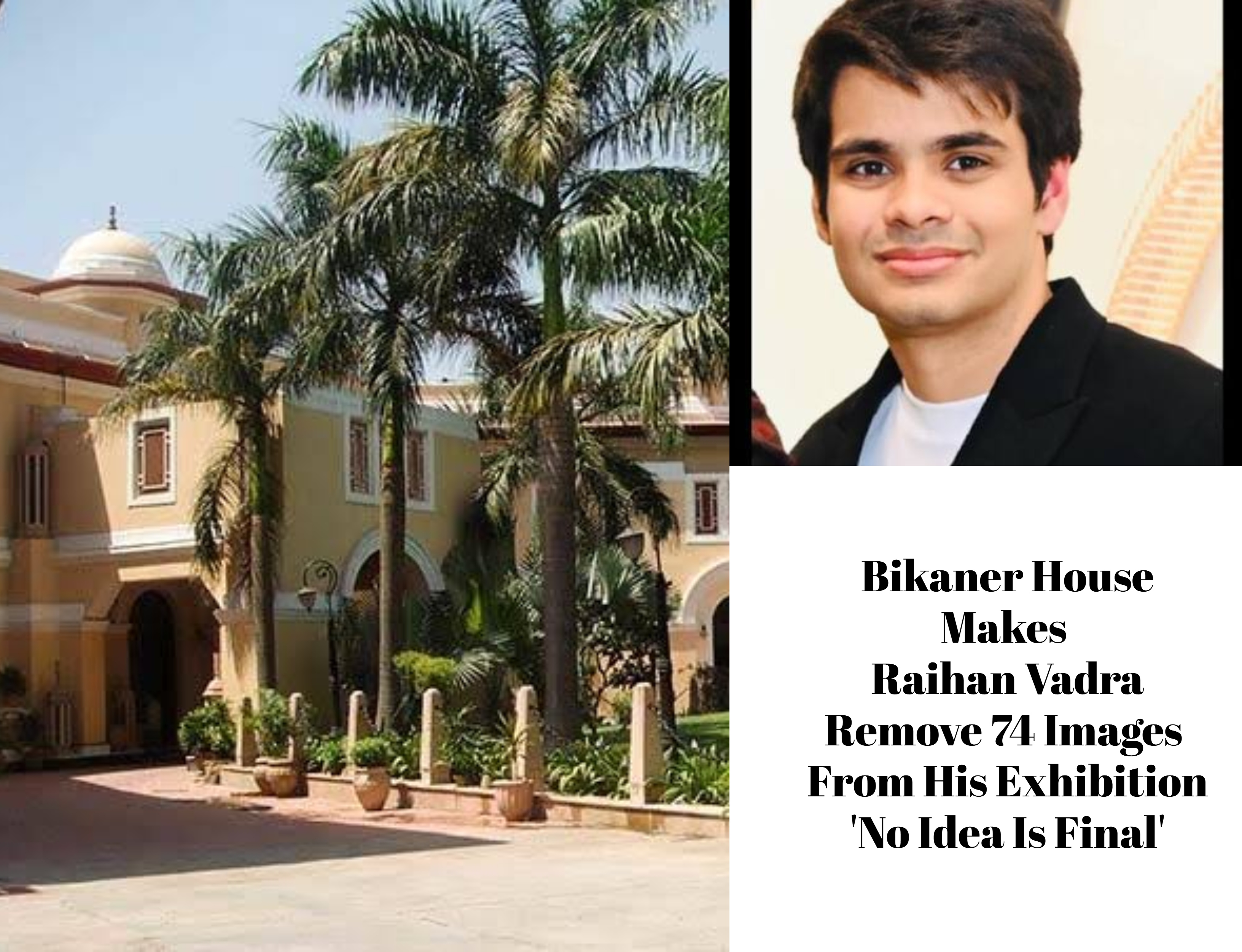
Bikaner House can enforce its rule. It still has to show it applied it fairly.
By A Special Correspondent
First publised on 2026-10-24 14:47:39
About the Author

Bikaner House is entitled to enforce its ban on political content, and a famous surname earns no exemption. The open question is narrower. It is whether the rule was applied to these photographs, on a proper reading of "political," and in time for the artist to respond. The venue has defended the rule in principle and left the application unexplained.
What happened
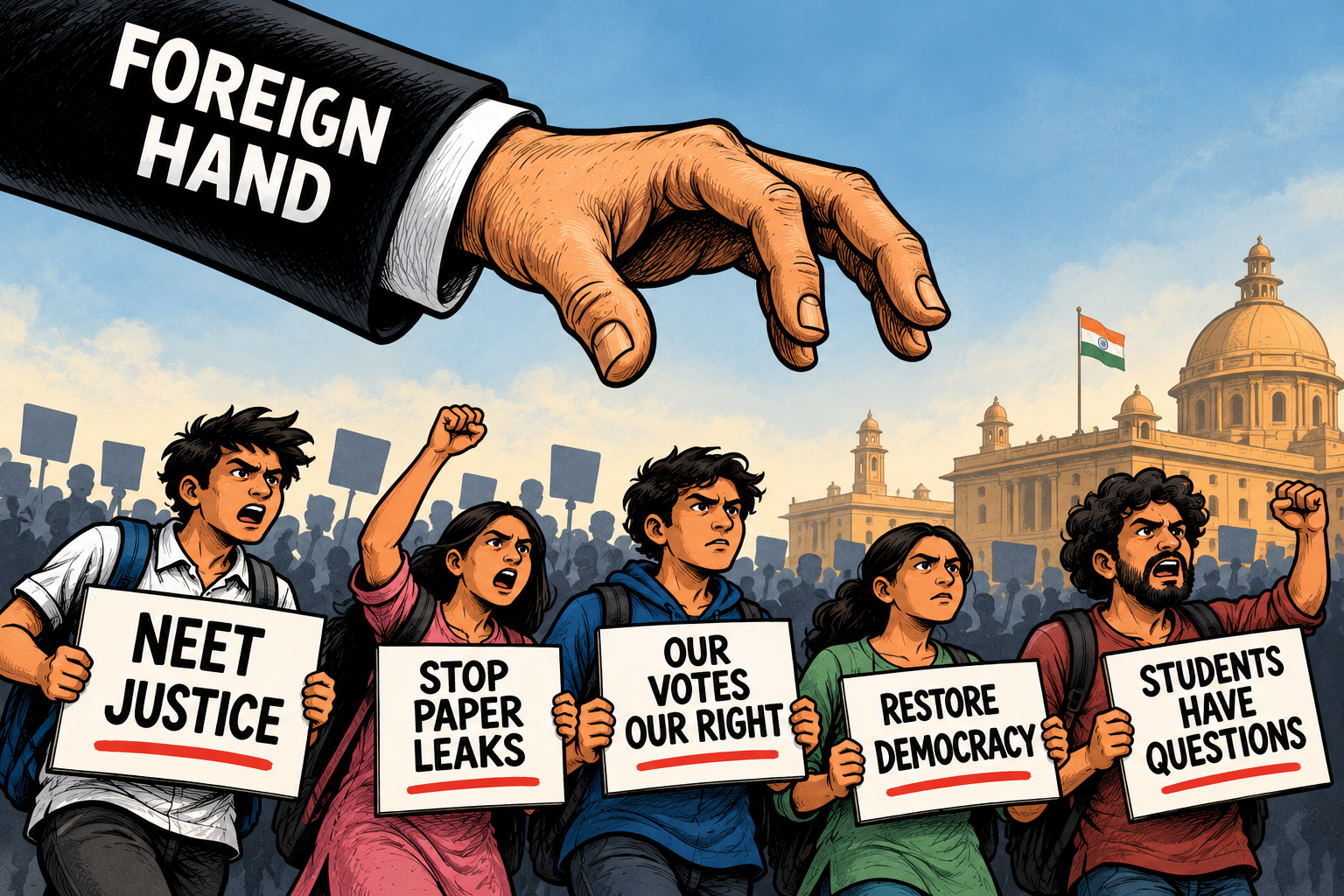
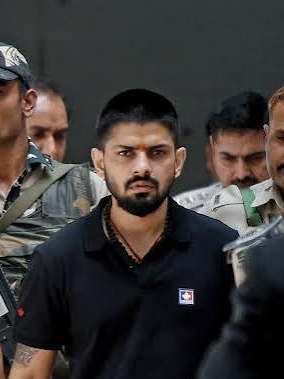
Raihan Vadra's solo show, "No Idea Is Final," was due to open at Bikaner House in New Delhi on the evening of 21 October. Vadra says that hours before the opening, the venue asked him to remove 74 of his 105 photographs. The venue has not confirmed that number. The images documented recent protests in Delhi, including student protests. Vadra says they record people and the armed forces at the protests, with no commentary. He says he was told to comply within hours or the show would be cancelled, and reports differ on whether the deadline was 3.30 pm or 5 pm. He says he refused to take down two photographs showing the national flag. The show is scheduled to run until 25 October.
On 22 October the Bikaner House Management Society issued a statement. It said certain photographs were found "inconsistent" with its policy and that their removal was requested. It added that photographs consistent with the policy remain on display.
The venue's case
The case for Bikaner House is substantial. Its booking policy bars political content and lets management cancel an event that departs from the approved proposal. It also reserves the right to postpone or cancel without giving reasons. Every exhibitor signs the same terms. A publicly owned cultural space has a legitimate interest in staying out of partisan contests, and a content-neutral ban is the simplest way to do that.
It would also be wrong to expect the venue to relax the rule because the exhibitor is the son of a sitting Congress MP. A venue that waived its policy for a prominent family would face a harder criticism than the one it faces now. BJP spokesperson Pradeep Bhandari makes this point by citing the policy, and it is not frivolous. The venue could add that Vadra's proposal, approved on 30 June by his account, spoke of "choice, control, and unity" and did not clearly flag protest photography.
Vadra's case
His complaint is about application, not about the rule. A photograph of a lawful protest is a record of an event, and whether it is "political content" depends on what the policy means by the term. Images with slogans or party symbols are one thing. A neutral frame of a crowd, a police line or a flag is another.
He also says the proposal and layout were shared with management well in advance. If so, the objection arrived late, under threat of cancellation, and left him no realistic way to respond. He alleges that the venue's senior official consulted the Rajasthan chief secretary and an officer in the chief minister's office. That is an allegation. It is unproven, and the venue's statement does not address it.
What we do not know: Five facts decide this, and none is public.
* How many works were removed, a figure so far given only by Vadra.
* Which photographs were removed, and which clause each was said to breach.
* When management first reviewed the layout and when it first raised an objection.
* Whether other exhibitors with comparable material were treated the same way.
* Whether anyone outside the Management Society directed the decision.
The Society's statement does not identify the removed works or call them political, and it cites no specific clause.
The legal frame
The constitutional position is more nuanced than the slogan "censorship" suggests. There is no general right to use a government-owned venue for expression, and a State-run space may attach content-neutral conditions to its use. Such conditions are tested mainly under Article 14. The decision to allot, restrict or cancel must be reasoned and non-arbitrary, and a clause allowing cancellation without reasons does not remove that requirement.
Article 19(1)(a) becomes central if the decision is shown to have restricted expression itself, for example because it targeted the message of the photographs or was directed by the government. A restriction of that kind must rest on law and fall within the grounds listed in Article 19(2), and it must be proportionate. Whether a venue's booking policy can serve as such a restriction is a question a court would have to decide. No court has yet examined this episode, so this is the framework that would apply, not a prediction of how a court would rule.
Conclusion
Bikaner House is entitled to enforce its rule, and Raihan Vadra's family connections confer no exemption. But neither a signed booking agreement nor a clause permitting cancellation without reasons settles the question of fair application. The Society should identify the works it objected to, the provision it relied on, and when it raised the objection. Until then, it has defended its authority without explaining its decision. For a government-owned cultural venue, that is not enough.