
Fighting Coronavirus: No Lockdowns, We Have To Do The Basics Right
 Editor-in-Chief of indiacommentary.com. Current Affairs analyst and political commentator. Author of Cyber Scams in India, Digital Arrest, The Money Trap and The Human Hack
View all posts by this Author
Editor-in-Chief of indiacommentary.com. Current Affairs analyst and political commentator. Author of Cyber Scams in India, Digital Arrest, The Money Trap and The Human Hack
View all posts by this Author
By Sunil Garodia
First publised on 2021-04-21 03:13:19
About the Author
Editor-in-Chief of indiacommentary.com. Current Affairs analyst and political commentator. Author of Cyber Scams in India, Digital Arrest, The Money Trap and The Human Hack
View all posts by this Author
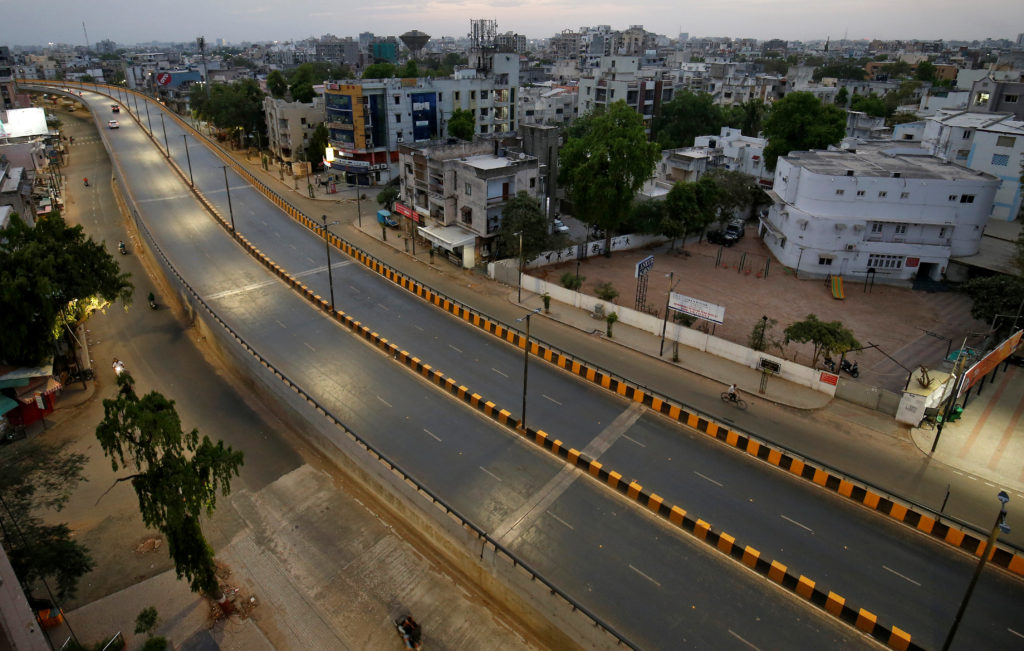
Prime Minister Modi is right. Lockdown should be used as the last resort in the fight against coronavirus. But if there is a positivity rate as high as 30-35% in some states, what are the other options to break the chain of infection? By asking this question, one is not suggesting that all states showing high positivity rate should go into lockdown mode immediately, but just saying that it seems the easiest option to administrations. Enforcing Covid norms with strictness is still the best way to keep things under control.
We have to admit that given the population density and the concentration of markets and business places, as also the smallness of the fleet of public transport vis-a-vis the size of the population, it is almost impossible to maintain physical distancing in most parts of India, especially in cities and towns, even with restrictions in place. Neither are people so disciplined nor do we have the policing capacity required to ensure that people follow these norms strictly at all places. Perhaps we have to think out of the box to reduce crowds without enforcing lockdown. For instance, allowing shops on one side of the road to open on one day and the other side to open the next day by turns, or increasing the time window for markets to stay open, might result in fewer people venturing out all at once.
Testing, tracing, treatment and isolation, along with rapid vaccination (at least the first dose) is said to be the best strategy in controlling the spread of the virus. In view of this, it is best to return to micro-containment strategy. People found Covid positive must be isolated and as before and the house marked. If there are a few such cases in the area, it should be sealed as a containment zone. The recent contacts of those testing positive should be traced, tested and isolated even if they test negative as part of due diligence. Targeted testing must also start. Treatment should be provided to all positive cases. On the other hand, rapid vaccination (depending on availability of vaccines) must be undertaken. The government must address people's concerns over the vaccines as there is still a lot of vaccine hesitancy.
If the basics are done right, the pressure to enforce lockdowns will ease. Micro-containment will bring down the positivity rate to manageable levels. Strict enforcement of Covid norms will do the rest. Then, it will not be required to enforce lockdowns that shut down the economy and cause loss of livelihood to many. It must be recognized that enforcing a lockdown is easy. It is doing all of the above earnestly that is tough. But the fight against the virus is not going to be easy, as the ferocity of the second wave proves. So we have to be tough and use other measures to stop it from spreading.