


National Voter's Day: Digital EPIC And Remote Voting
 Tanmaya is a budding journalist
View all posts by this Author
Tanmaya is a budding journalist
View all posts by this Author
By Tanmaya Das
First publised on 2021-01-27 06:26:55
About the Author
Tanmaya is a budding journalist
View all posts by this Author
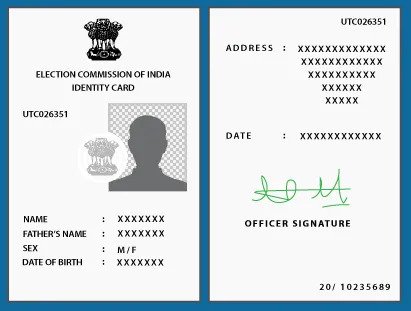
The Election Commission of India launched e-EPIC (Electronic Electoral Photo Identity Card) on National Voter's Day to make the voter identity cards digital in addition to the hard copy of ID cards. The voters can access and secure their documents completely.
The first phase launched on January 25 continues till January 31. The new voters, who have applied for the Voter ID cards, are now able to download their e-EPIC using the registered mobile number. In the second phase, starting from February 1, voters all across the nation will be able to apply for e-EPIC.
Ahead of the election, the initiative is going to go to make participation easier. Voters all across the nation can easily access their voter ID cards in the middle of the pandemic. Digital voter ID cards will also help the government finding out information regarding misuse and other national threats. Similarly, delays in receiving the ID cards, fear of losing ID cards, and other issues are addressed.
Additionally, the EC is going to start the mock trials of remote voting soon. Under this, a person can vote from any polling booth in the country instead of travelling to his or her designated booth to cast the vote. EC is collaborating with IIT, Madras and using blockchain technology to make this possible in the near future. This will be a boon to migrant workers and others who are unable to be present at their designated booth on voting day. It will increase voter participation.
However, some of the major concerns like cyber security and privacy need to be strengthened extensively. Also, many technologically-challenged people in the rural areas of India are unaware of the new initiative. Further, users with the non-editable 'secured' PDF version of EPIC might face difficulty to change their information, in case needed. However, the voter may face significant issues if they give up their registered number or lose their mobile phone. Also, some of the remote zones of India will be unable to use technology due to connectivity issues.