


No Critics: The Silencer Effect
By A Special Correspondent
First publised on 2021-10-07 08:37:07
About the Author

Prime Minister Modi made a surprising remark a couple of days back. He said that there were very few critics of the government in India now. He also rightly said that criticism, and its quality, is the backbone of democratic debate.
The Prime Minister must recognize that at any given point of time, there are more than 50% citizens of the country who have not voted for the BJP. Logically, they did not do so as they are against the policies of the government, either stated in the election manifesto or made public through other channels. Logically, too, this huge mass of people is bound to be critical of the government. Not all of them are educated enough or aware enough to raise their voices. But many are and have been doing it forcefully.
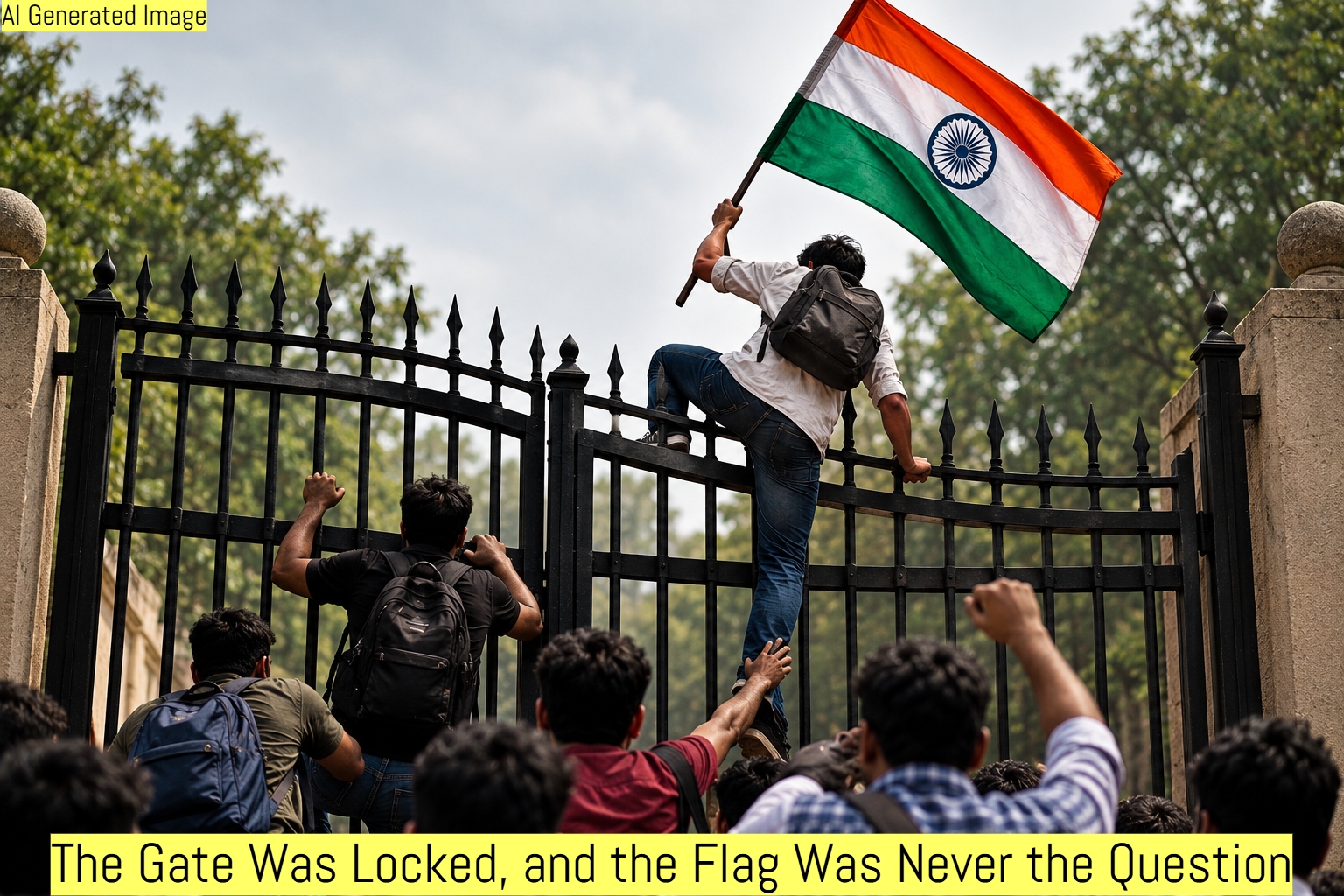
And what is the response of the government to them? It equates the criticism of government with criticism of the nation and brands then "anti-nationals". It uses colonial era sedition laws and other draconian provisions against them, many of whom are college kids, to send them to jail. When a section of the media criticizes government policy, it is subjected to I-T raids and other agencies are let loose. All this has a chilling and silencing effect on critics. After all, not many are brave enough to continue their campaign against the might of the state out to silence them. But, fortunately for the nation, there are many others who continue to fight.
Criticism of government policies and the debate that ensues can remain informed and healthy only if the government allows it to be. By steering the debate to a negative corner and by making it an issue of "them" against "us", of "anti-nationals" against "nationalists", the government is doing a great disservice to the nation and to democracy. If the government learns to tolerate informed criticism and participates in debates without an agenda, it will find that it can amend its policies suitably from the feedback and that would be of great benefit to the nation. But that is asking too much from a government that seems bent on imposing its views by force.