

Raid on I-PAC: A Constitutional Crisis Without Easy Answers
 Editor-in-Chief of indiacommentary.com. Current Affairs analyst and political commentator. Author of Cyber Scams in India, Digital Arrest, The Money Trap and The Human Hack
View all posts by this Author
Editor-in-Chief of indiacommentary.com. Current Affairs analyst and political commentator. Author of Cyber Scams in India, Digital Arrest, The Money Trap and The Human Hack
View all posts by this Author
By Sunil Garodia
First publised on 2026-01-12 06:03:44
About the Author
Editor-in-Chief of indiacommentary.com. Current Affairs analyst and political commentator. Author of Cyber Scams in India, Digital Arrest, The Money Trap and The Human Hack
View all posts by this Author
The Enforcement Directorate's raid on the Indian Political Action Committee (I-PAC) offices in Kolkata is not a simple clash between law enforcement and obstruction. It exposes a deeper crisis in Indian federalism, one where two competing narratives both carry uncomfortable truths and troubling implications.
From the ED's perspective, this was a routine investigation into alleged FEMA violations and money laundering. Officers arrived with legal authorization, only to face resistance from West Bengal Police. They claim searches were blocked, documents may have been removed, and state machinery was used to prevent a lawful investigation. If true, this amounts to a direct challenge to the constitutional authority of central agencies.
From Chief Minister Mamata Banerjee's perspective, the raid was transparently political. A case dating back to 2019-20, dormant for years, suddenly became urgent just months before the West Bengal assembly elections. The target was not a random firm but the consultancy currently managing the TMC's campaign strategy, holding sensitive data on voter outreach, messaging, and electoral planning. The timing, she argues, gives the game away.Both stories are plausible. That's the problem.
The Timing Problem
There's no escaping the timing. Alleged FEMA violations from five years ago suddenly required immediate action in late 2024 or early 2025, precisely when elections are approaching. FEMA violations don't become more dangerous with age. Money flows from 2019 don't suddenly turn urgent. What changed was the political calendar.
This pattern isn't unique. Across India, opposition leaders often face intensified scrutiny around elections. Whether one sees this as coincidence or weaponization usually depends on political allegiance. But the ED has never convincingly explained why so many investigations peak when electoral stakes are highest.
The concern deepens because I-PAC is not just a financial entity. It is a vault of political intelligence. Raiding its offices inevitably exposes campaign strategies, polling data, and messaging plans. Even if officers act professionally, the asymmetry remains: one party's campaign infrastructure becomes visible to agencies controlled by the central government during an election cycle. That shadow alone damages trust.
Obstruction or Resistance?
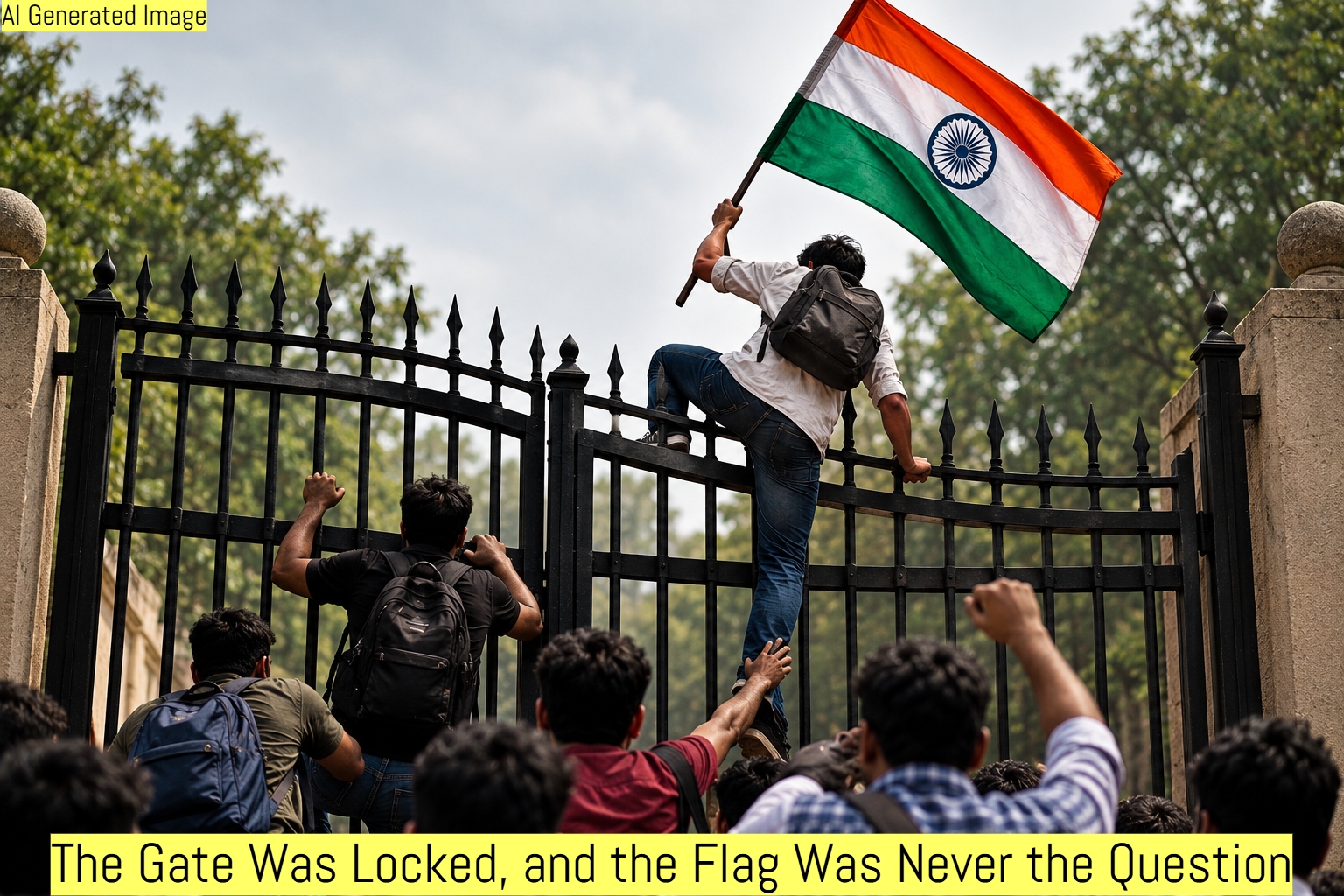
Banerjee's response escalated matters. She arrived at the site with senior officials, and state police allegedly prevented the ED from proceeding. Critics see this as an outright breakdown of constitutional order. A state government cannot physically block federal investigations simply because it dislikes them.
But the counter-question is unavoidable: what options does a state have if it genuinely believes central agencies are being misused for political ends? Legal remedies are slow. Elections are not. Accepting the raid risks immediate and irreversible political harm. Resisting it risks constitutional chaos.
The Bureaucracy in the Crossfire
The presence of the Chief Secretary at the raid symbolized this crisis. Civil servants are meant to be neutral, yet neutrality becomes complicated when institutions themselves are mistrusted. Was this politicization of the bureaucracy, or necessary oversight to prevent overreach? Reasonable people can - and do - reach opposite conclusions.
The same applies to the police. Were they unlawfully obstructing a legal process, or following lawful state orders to resist what their government saw as abuse? The answer depends entirely on which version of legitimacy one accepts.
Patterns and Credibility
Banerjee's charge of vendetta politics rests on a broader pattern. Opposition leaders across states face ED and CBI action with striking regularity, often near elections. Leaders who switch allegiance frequently find investigations stall or disappear. This does not prove every case is political. But it does create a credibility crisis.
When enforcement patterns align predictably with political incentives, claims of pure neutrality ring hollow. Yet even a tainted pattern does not invalidate every investigation. That ambiguity is precisely what makes the situation so dangerous.
The Regulatory Gap
There is also a genuine policy issue beneath the noise. Political consultancies operate with remarkable opacity while handling enormous sums and influencing electoral outcomes. If I-PAC violated FEMA, it should be investigated. But FEMA's breadth allows selective enforcement, turning regulation into discretion.
The solution cannot be ad hoc raids timed to elections. It must be systemic transparency and consistent oversight.
No Clean Standards, No Easy Fix
Two principles collide here. One says law enforcement must proceed regardless of political context. The other says investigations that repeatedly align with electoral advantage lose democratic legitimacy. Both exist to protect democracy. In this case, they undermine each other.
Accountability also runs one way. States face immediate consequences for obstruction. Central agencies face almost none for selective timing. That imbalance fuels mistrust and escalation.
The Uncomfortable Truth
The I-PAC episode forces a choice between two bad options: allow potentially politicized investigations to proceed unchecked, or allow states to physically resist federal authority. Neither preserves democratic integrity.
The real crisis is not whether the raid or the obstruction was right. It is that both seem plausible responses in today's India. When opposition parties assume agencies are weapons, and ruling parties insist they are neutral, institutional legitimacy collapses.
That collapse - not this single raid - is the real danger. Until it is addressed, confrontations like this will keep happening. And each time, democracy will look a little more fragile than before.