


Anjel Chakma: He Was From Tripura. They Called Him Chinese. Then They Killed Him
 Editor-in-Chief of indiacommentary.com. Current Affairs analyst and political commentator. Author of Cyber Scams in India, Digital Arrest, The Money Trap and The Human Hack
View all posts by this Author
Editor-in-Chief of indiacommentary.com. Current Affairs analyst and political commentator. Author of Cyber Scams in India, Digital Arrest, The Money Trap and The Human Hack
View all posts by this Author
By Sunil Garodia
First publised on 2025-12-31 06:01:29
About the Author
Editor-in-Chief of indiacommentary.com. Current Affairs analyst and political commentator. Author of Cyber Scams in India, Digital Arrest, The Money Trap and The Human Hack
View all posts by this Author
Anjel Chakma was 24. An MBA student. From Tripura. He came to Dehradun to study, to do what everyone tells young people to do: leave home, work harder, build a future.
He didn't come to be stabbed.
But here we are.
Before anyone starts hiding behind words like altercation or group clash, let's be clear about what his family says happened. Anjel and his brother were abused. Mocked. Called "Chinese." One of those words people in the rest of India love to throw at anyone from the North-East, usually with a grin, usually followed by "don't be so sensitive."
When they objected, it didn't stay verbal.
Anyone pretending this is unusual is lying. People from the North-East are called all kinds of names across this country: chinky, momo, Chinese, Nepali, Thai, corona. Sometimes it's strangers. Sometimes classmates. Sometimes the cab driver. Sometimes the people meant to keep order. It's packaged as humour, as harmless fun, as banter.
But it's always about one thing: reminding you that you don't belong.
Most people swallow it. Not because it doesn't hurt, but because pushing back is risky. Because escalation can get ugly. Because experience teaches you that if things go wrong, the system will ask what you did to provoke it.
In Anjel's case, pushing back seems to have cost him his life.
Now the police say there was no racial motive. They say the initial complaint didn't mention slurs. They say it was just a clash that got out of hand. Maybe that's how it will finally be written in official files.
But here's the problem: calling racial abuse "banter" isn't neutral. It's a choice. It flattens everything that led up to the violence. It erases context. It makes the killing easier to digest.
There are also serious questions about how the police responded in the first place. The family says they were delayed, brushed aside, not taken seriously. Police deny this. Again, records will decide who's right. But the fact that so many people immediately believe the family tells you how little faith exists to begin with.
Then came the statements. The condemnations. The demands for punishment. The political point-scoring. Everyone found their angle.
None of that brings Anjel back.
What this case is really exposing is something many Indians would rather not talk about: racism against people from the North-East isn't rare, and it isn't accidental. It's casual. It's routine. It's built into everyday speech. And when that everyday contempt turns violent, the instinct of institutions is to downplay, deflect, and sanitise.
This doesn't mean inventing facts or jumping to conclusions. It means not lying to ourselves.
If investigators find no racial element, they need to explain that clearly, with evidence, not with dismissive language. And if racial abuse did play a role, then the law needs to say so openly, without worrying about how bad it looks.
Because here's the part people keep avoiding: this story didn't start with a knife. It started with words people have been using for years, without consequences.
A young man is dead. The least we can do is stop pretending we don't recognise how this happens.
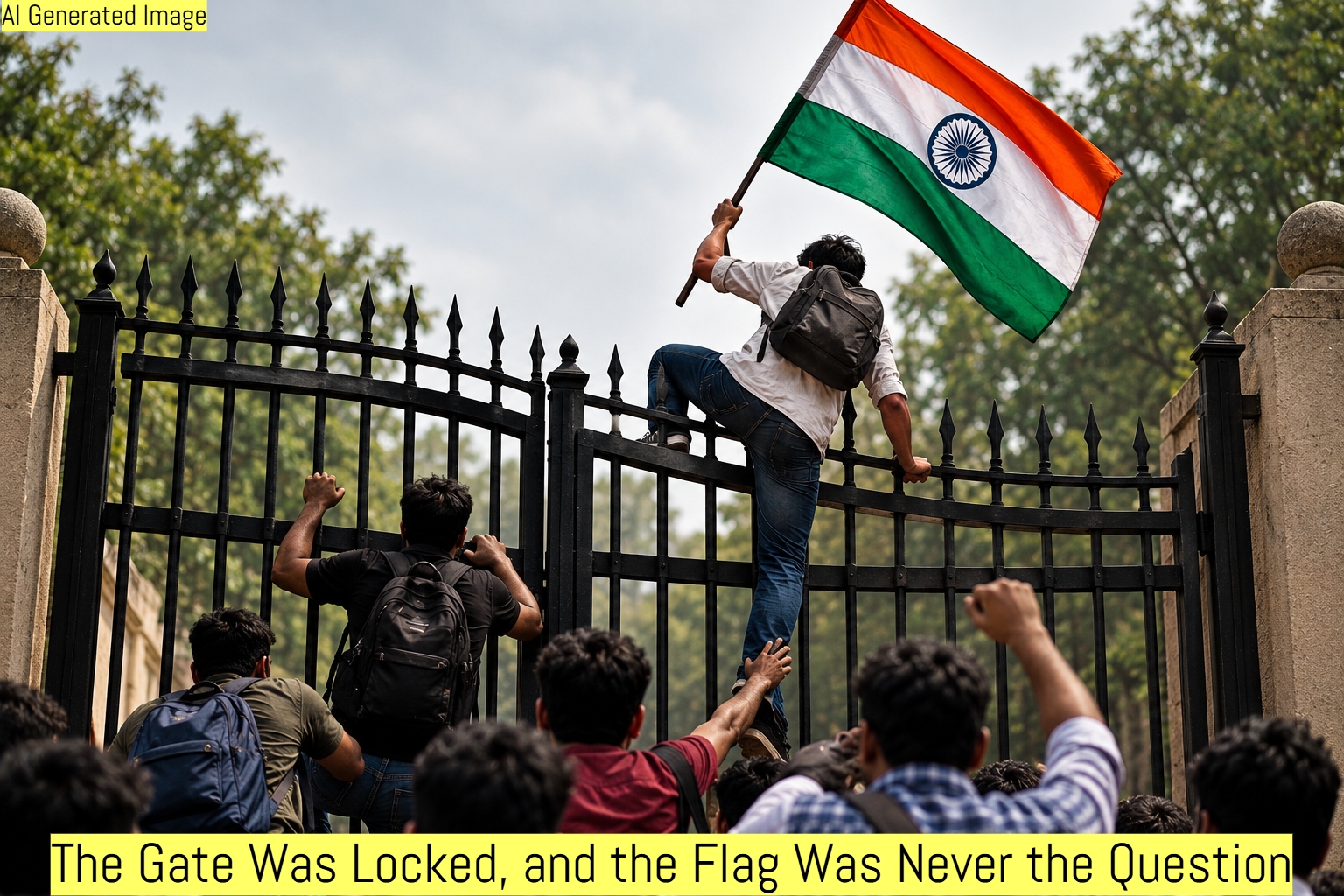
Note: Lead image is AI-generated