

Freedom To Spew Hate Not Part Of Freedom of Expression
 The India Commentary view
View all posts by this Author
The India Commentary view
View all posts by this Author
By Our Editorial Team
First publised on 2025-06-27 10:09:30
About the Author
The India Commentary view
View all posts by this Author
The link between free speech and democracy has long been considered sacred. A thriving democracy depends on the ability of its citizens to speak freely, question authority, and express dissent without fear. But this essential freedom is under serious threat - in India and across the world.
In today's world, the attack on free speech takes new and dangerous forms. While outright censorship and silencing of dissent continue, a worrying trend has also emerged: hate speech is now being disguised as free speech. Polarising voices often use the shield of constitutional rights to spread divisive and inflammatory messages, especially during politically sensitive periods like elections.
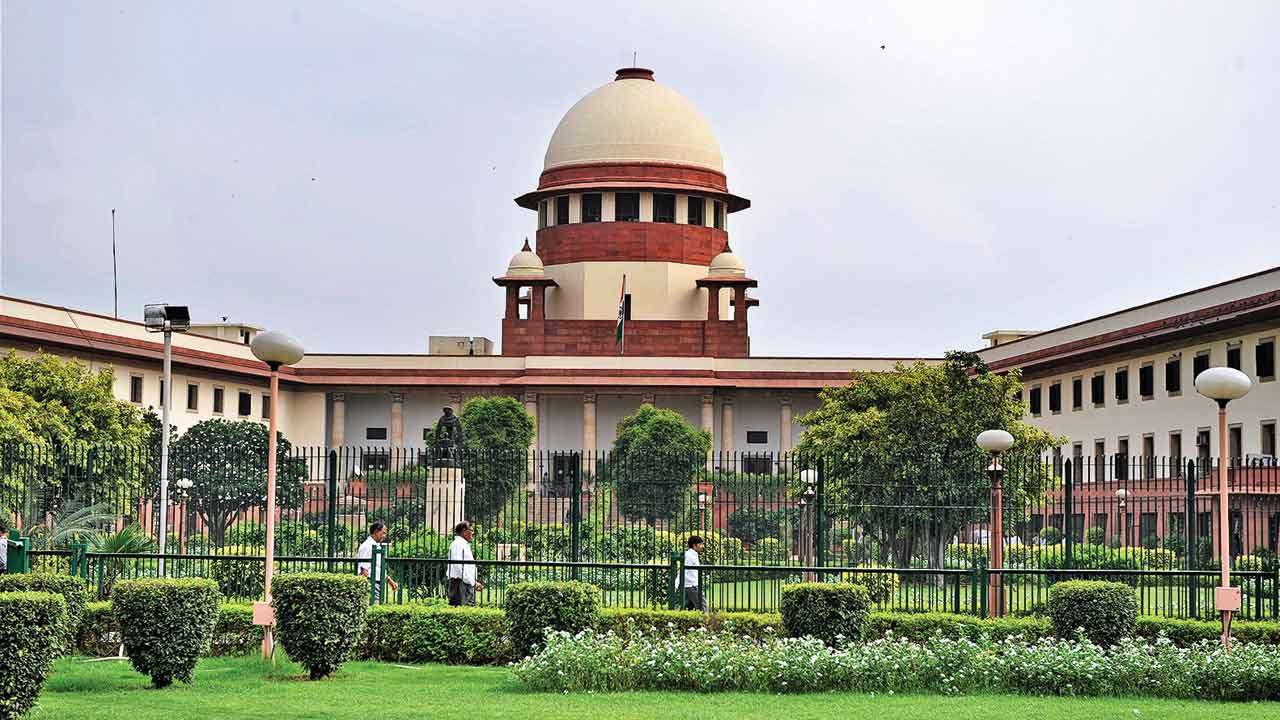
The Supreme Court of India, in a recent and significant intervention, made it clear that the right to free speech does not include the right to hate speech. The court was responding to an unusual case where four state police forces attempted to arrest a man who had helped bring attention to a communal social media post following the Pahalgam terror attack. The court's response - stopping the arrest - highlighted the irony of punishing someone who stood up for social harmony, rather than the one who spread hatred.
Such incidents are not isolated. According to India Hate Lab, a global research organisation, anti-minority hate speech in India jumped by 74% in 2024, coinciding with the general election. This spike underlines how communal rhetoric is increasingly being used as a political tool, often under the guise of free expression.
In this new landscape, those who defend free speech - journalists, judges, civil society, and concerned citizens - must respond with greater urgency and adaptability. The tools and arguments used to protect speech must evolve. They must also ensure that the same protections are not misused to fuel hatred.
Ultimately, the fate of free speech is closely tied to the fate of democracy itself. When one is weakened, the other suffers. As democracies retreat across the globe, the pressure on free speech grows. Upholding this right - with all its necessary limits - is not just about protecting words. It is about protecting the very idea of democratic life.