

No Controversy: Justice Gogoi Is Next CJI
 Editor-in-Chief of indiacommentary.com. Current Affairs analyst and political commentator. Author of Cyber Scams in India, Digital Arrest, The Money Trap and The Human Hack
View all posts by this Author
Editor-in-Chief of indiacommentary.com. Current Affairs analyst and political commentator. Author of Cyber Scams in India, Digital Arrest, The Money Trap and The Human Hack
View all posts by this Author
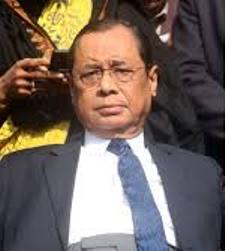
It is good that the government has respected the independence of the judiciary and accepted the recommendation of the outgoing CJI Justice Dipka Misra for elevating the senior-most judge, Justice Ranjan Gogoi, as the next CJI from October 3. It lays to rest a controversy that was building around this appointment. Detractors had questioned the motives of the government ever since it had stalled the elevation of Justice K M Joseph to the apex court. Some people had then commented that the government was interfering in the work of the judiciary and will do the same when it comes to the appointment of the next CJI. They were of the opinion that since Justice Gogoi was outspoken and had revolted against the present CJI, the government might supersede him to appoint a judge of its choice. By Sunil Garodia
First publised on 2018-09-14 13:57:54
About the Author
Editor-in-Chief of indiacommentary.com. Current Affairs analyst and political commentator. Author of Cyber Scams in India, Digital Arrest, The Money Trap and The Human Hack
View all posts by this Author
But with Justice Gogois appointment, it is clear that the government is not trying to influence the judiciary per se. There might be issues which the government feels need reexamination. Justice Josephs elevation was one such issue. The government felt that there were other senior judges of competence and then there was the question of regional representation. The law allowed the government to send back the name once for reconsideration. Hence, it had done so in good faith. But people alluded to the fact that Justice Josephs appointment was stalled as he had delivered a judgment that went against the BJP government in Uttarakhand. Did not the government appoint him after his name was sent back by the collegium?
Even when there is no malafide intention, a section of the press, in collusion with the so-called liberals, is trying to whip up controversy. In doing so, they are trying to drive a wedge in the relations between the executive and the judiciary. This is not good for democracy. When a group of judges had questioned the CJI on distribution of cases, they had raised a point of law. The press tried to project it as a revolt. It was subsequently cleared that it is the prerogative of the CJI to allot cases as even though he cannot be termed superior to other judges, he is obviously first among equals. Otherwise, there is no point in having a chief justice. A section of the press had played a very questionable role during that controversy. If the executive and the judiciary are two important pillars of democracy, the media is one too. Hence, it should desist from creating controversies when none exist.