

The Adani Affidavit: Questions The Government Must Answer
 The India Commentary view
View all posts by this Author
By Our Editorial Team
First publised on 2026-11-18 02:41:49
About the Author
The India Commentary view
View all posts by this Author
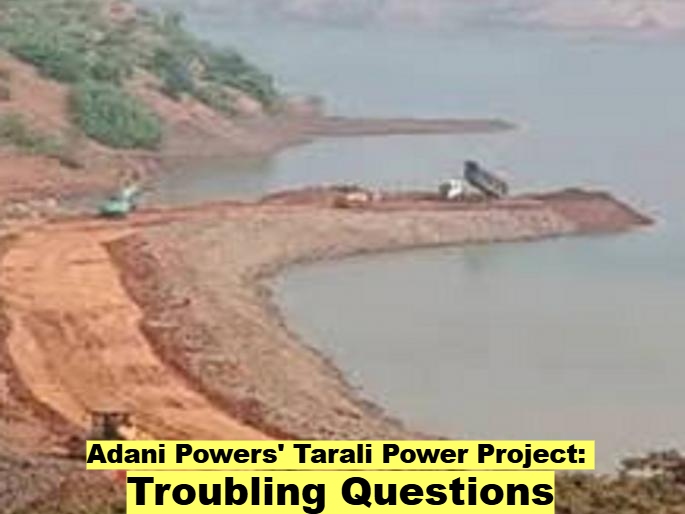
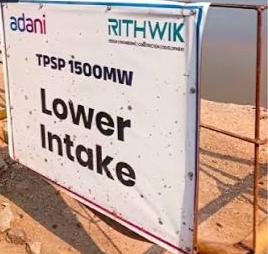
The controversy surrounding Adani Green Energy's Tarali pumped-storage project in Maharashtra is no longer merely a dispute over project costing. It has become a test of the credibility of India's environmental regulatory system.
A project estimated at Rs 5,675 crore in the Union Environment Ministry's documentation suddenly acquired a revised figure of Rs 56.75 crore in a notarised affidavit submitted by the company's Chief Operating Officer. The company says the smaller figure represented preliminary site investigations and surveys, not the total construction cost. That explanation needs to be examined, but it does not remove the responsibility of the Maharashtra forest authorities to explain why they accepted the revised calculation for determining the wildlife conservation contribution.
The financial implications are substantial. A contribution initially calculated at Rs 227 crore towards the Sahyadri Tiger Reserve fell to approximately Rs 2.27 crore. The difference of Rs 224.73 crore cannot be brushed aside as an accounting adjustment. It concerns resources intended for the protection of an ecologically important landscape.
The government must establish precisely what the company represented in its September 8 affidavit, what the authorities understood it to mean and on what legal basis the revised figure was accepted. The relevant correspondence and the findings of the investigation ordered by the Union Environment Ministry should be made public.
The subsequent stop-work order, citing the absence of mandatory National Board for Wildlife approval, raises a separate regulatory concern. It does not establish that the cost revision was improper, but it reinforces the need to examine whether all statutory requirements were followed before work commenced.
Congress has demanded a Joint Parliamentary Committee investigation. While parliamentary scrutiny cannot be ruled out, the immediate priority must be an independent examination of the documentary evidence. Political allegations, however forcefully made, cannot replace an investigation.
Adani Green Energy must be given a fair opportunity to establish its position. Equally, the government must not allow corporate influence, however indirect, to compromise the enforcement of environmental conditions.
India needs private investment in renewable energy, but development cannot come at the cost of regulatory accountability. Environmental obligations are not optional charges that can be reduced through unexplained changes in project estimates.
The government owes the public a clear answer: how did a Rs 5,675-crore project become a Rs 56.75-crore figure for calculating its conservation contribution, and who authorised the change?