

From Joke to Movement And the Formation of the Cockroach Janta Party
 Editor-in-Chief of indiacommentary.com. Current Affairs analyst and political commentator. Author of Cyber Scams in India, Digital Arrest, The Money Trap and The Human Hack
View all posts by this Author
Editor-in-Chief of indiacommentary.com. Current Affairs analyst and political commentator. Author of Cyber Scams in India, Digital Arrest, The Money Trap and The Human Hack
View all posts by this Author
By Sunil Garodia
First publised on 2026-05-30 12:26:56
About the Author
Editor-in-Chief of indiacommentary.com. Current Affairs analyst and political commentator. Author of Cyber Scams in India, Digital Arrest, The Money Trap and The Human Hack
View all posts by this Author
This is the fourth article in a series of five on the 'cockroach' remark by the CJI
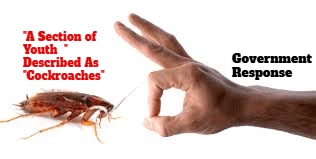
On 15 May 2026, Chief Justice Surya Kant called unemployed youth cockroaches. By 16 May, Abhijeet Dipke - a political communications graduate studying in Boston - had founded the Cockroach Janta Party. By the end of the week, the CJP had accumulated more Instagram followers than the BJP, the world's largest political party by membership. What began as a joke became, in the space of days, something that powerful people found distinctly unfunny.
The genius of the CJP's move was the reversal. Rather than protesting the insult, it embraced it. The party's tagline - 'Voice of the Lazy and Unemployed' - turned shame into solidarity. Membership criteria included being unemployed, chronically online, and able to 'rant professionally.' The name, a deliberate riff on the BJP's initials, was an act of political judo: borrowing the form of the ruling party's identity to mock the culture it represents. Satire that appropriates the master's tools is always more unnerving than satire that merely shouts from outside the gate.
The movement's demands, beneath the comedy, were serious. They called for free media, action on unemployment, and - in a pointed addition - a twenty-year ban from elections for any legislator who defects from the party on whose ticket he was elected. The cockroach costume, worn by protesters at a cleanliness drive carrying 'I am a cockroach' placards, was funny only on the surface. Underneath was a statement of democratic defiance: we are not pests to be exterminated; we are citizens who vote and speak and will not be silent.
The CJP also demonstrated something important about online protest in India. A satirical identity, if it captures a genuine collective feeling, can grow faster than any conventional political formation. Within a week, over 350,000 people had formally signed up. The Instagram account outpaced every Indian political party. The X account attracted millions before it was blocked within India. The website - with its mock party branding and sign-up form - gave the joke institutional weight, and that weight frightened people who should have been unworried by a joke.
Dipke said from Chicago: 'Those in power think citizens are cockroaches and parasites.' That sentence, stripped of its satirical wrapper, is a political statement of some gravity. When the government allegedly moved to take the website down and accounts were hacked, the satire acquired a second meaning. First they called us cockroaches. Then they tried to exterminate us. The joke had written its own sequel.