Kolkata Chor Bagan Durga Puja Tragedy: Accountability Must Be Complete, Fair and Free of Politics
 Editor-in-Chief of indiacommentary.com. Current Affairs analyst and political commentator. Author of Cyber Scams in India, Digital Arrest, The Money Trap and The Human Hack
View all posts by this Author
Editor-in-Chief of indiacommentary.com. Current Affairs analyst and political commentator. Author of Cyber Scams in India, Digital Arrest, The Money Trap and The Human Hack
View all posts by this Author
By Sunil Garodia
First publised on 2026-10-18 13:14:29
About the Author
Editor-in-Chief of indiacommentary.com. Current Affairs analyst and political commentator. Author of Cyber Scams in India, Digital Arrest, The Money Trap and The Human Hack
View all posts by this Author
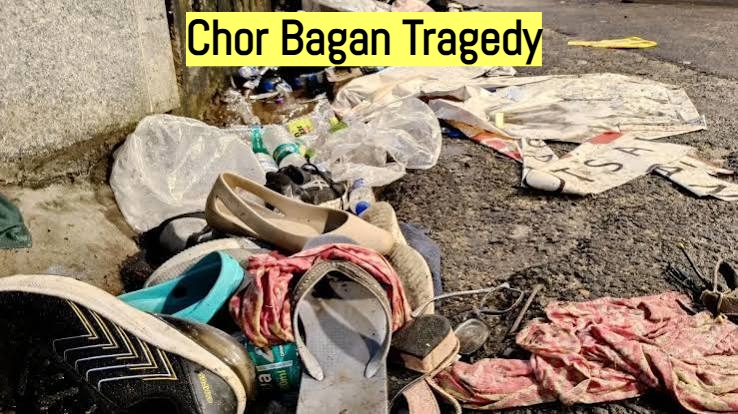
The Chor Bagan tragedy demands an inquiry that follows every failure of duty, from crowd management and emergency communication to policing and the enforcement of safety conditions. Those arrested are entitled to the presumption of innocence, but the investigation must not stop with them.
This morning our editorial mourned the dead and asked that the hour not be used for blame. That remains our view of the first hours. Since then, the situation has changed. The toll has risen to 19, an announcement from the stage is reported to have triggered the panic, seven people are under arrest, and a Special Investigation Team headed by a sitting judge of the Calcutta High Court has been formed. The emphasis must now shift from immediate restraint to institutional accountability. We continue to pray for the departed and for the injured.
What is known so far
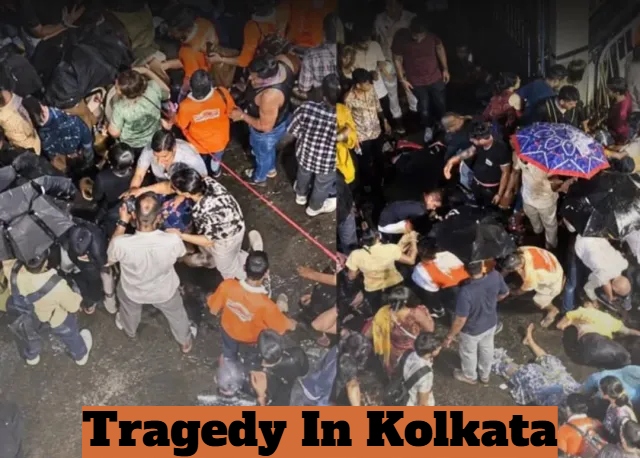
The picture is still forming, and much of it rests on early reports. Rain pushed large crowds into narrow passageways, and cramped entry and exit gates made matters worse. One eyewitness spoke of very narrow entrances and exits and no lighting in the area. Some visitors say police were concentrated at the VIP entrance and thin elsewhere. The role of a home guard is under scrutiny. These are claims and early findings, not conclusions.
Reconstruct the announcement, do not assume it
An announcement warning of a possible collapse is reported to have triggered the panic. That is a reported trigger, not an established cause. The inquiry has not yet told us who authorised the announcement, what exactly was said, whether it was accurate, or whether it was the principal cause of the deaths. The sounder approach is to reconstruct three things together: the announcement, the crowd's response and the escape routes available at that moment. A warning that sends thousands towards a single narrow gate is a different failure from one that meets wide, well-lit exits. Committees across the city should also write down a protocol for emergency messages, covering who may speak, what may be said and how exits are cleared first.
The standard the inquiry must meet
Responsibility should follow evidence of duty, breach and causation, not rank or proximity to the scene. The inquiry must establish what permissions were granted and what safety conditions were attached. It must establish who was responsible for enforcing those conditions, whether the actual arrangements departed from the approved plans, and whether the plans themselves adequately addressed the foreseeable risks. That covers permitted capacity, the adequacy of entry and exit routes, lighting, the deployment of police and home guard personnel, and the authority under which the announcement was made. It must also determine whether identified risks were communicated to those responsible, whether they had the power to address them, and whether any failure materially contributed to the deaths. The object is not merely to identify who was present. It is to establish who had a duty, whether that duty was discharged and what the evidence supports.
Due process protects the innocent and strengthens accountability
The seven arrested are presumed innocent. Reports say most are linked to the organising committee, while a defence lawyer argues that the accused were visitors who stayed to help with rescue work. The evidence must determine which account withstands scrutiny. Due process does not, however, require the public to suspend scrutiny of institutional failures. The investigation must remain open to evidence implicating anyone else, including those who approved, supervised or policed the event. If it stops at the gate steward and the security guard, it will have found the nearest people and not necessarily the responsible ones.
Keep politics out of accountability
There will be pressure to turn this into a contest between parties. Resist it. That is the line this journal drew this morning, and it holds now that the inquiry has begun. Pujas across the city, under every kind of local leadership, carry the same structural risk. The Government has announced compensation and jobs for the families of the dead, which is the right first step. Compensation is not accountability. The test of seriousness will be whether the findings are published and acted on, including where they are uncomfortable for people in authority or in the organising committees.
What cannot wait
The Puja season is not over, and the immediate lessons of Chor Bagan cannot wait for a final report. Committees and police stations must urgently review access routes, lighting, crowd density, personnel deployment and emergency communication at every major pandal. The inquiry, meanwhile, must establish responsibility without presuming guilt, and its findings must lead to corrective action wherever the evidence points. The measure of justice for the nineteen dead will not be the number of arrests or the compensation announced, but whether the failures that made this tragedy possible are identified and prevented from recurring.