

The Answer to Digital Poison Is Accountability, Not Pre-Censorship
 Editor-in-Chief of indiacommentary.com. Current Affairs analyst and political commentator. Author of Cyber Scams in India, Digital Arrest, The Money Trap and The Human Hack
View all posts by this Author
Editor-in-Chief of indiacommentary.com. Current Affairs analyst and political commentator. Author of Cyber Scams in India, Digital Arrest, The Money Trap and The Human Hack
View all posts by this Author
By Sunil Garodia
First publised on 2026-05-23 15:04:32
About the Author
Editor-in-Chief of indiacommentary.com. Current Affairs analyst and political commentator. Author of Cyber Scams in India, Digital Arrest, The Money Trap and The Human Hack
View all posts by this Author
The Supreme Court's recent call for a mechanism to screen user-generated content before it is uploaded has reopened a debate India has long avoided confronting directly: how does a democracy fight online poison without creating a machinery that can one day regulate opinion itself?
The concern is real. India has repeatedly paid the price for viral misinformation. Rumours spread through social media have triggered mob violence, doctored videos have inflamed communal tensions, and coordinated campaigns have destroyed reputations within hours. Platforms continue to claim technological sophistication, yet their response remains largely reactive. Harm is often done before moderation begins.
Viewed from that perspective, judicial concern is understandable. A democratic state cannot remain a spectator when digital falsehood repeatedly spills into the physical world.
The problem begins when the cure proposed resembles prior restraint.
Pre-upload screening transfers power from citizens to gatekeepers. In theory, such systems are designed to block harmful content. In practice, they often acquire wider ambitions. India's own regulatory history offers enough reasons for caution. Content takedowns, pressure on platforms, and the increasingly elastic use of labels such as "anti-national" have already raised concerns over where regulation ends and control begins.
Any preventive censorship structure carries three obvious risks. First, its scope gradually expands. Second, decisions happen behind closed doors, leaving little visible accountability. Third, people begin censoring themselves long before the State censors them. Fear often works more efficiently than law.
Yet India does not lack laws against criminal speech, incitement or misinformation. The real problem is not the absence of regulation but weak enforcement and delayed accountability.
Instead of screening every post before publication, India should focus on ending the culture of faceless impunity online.
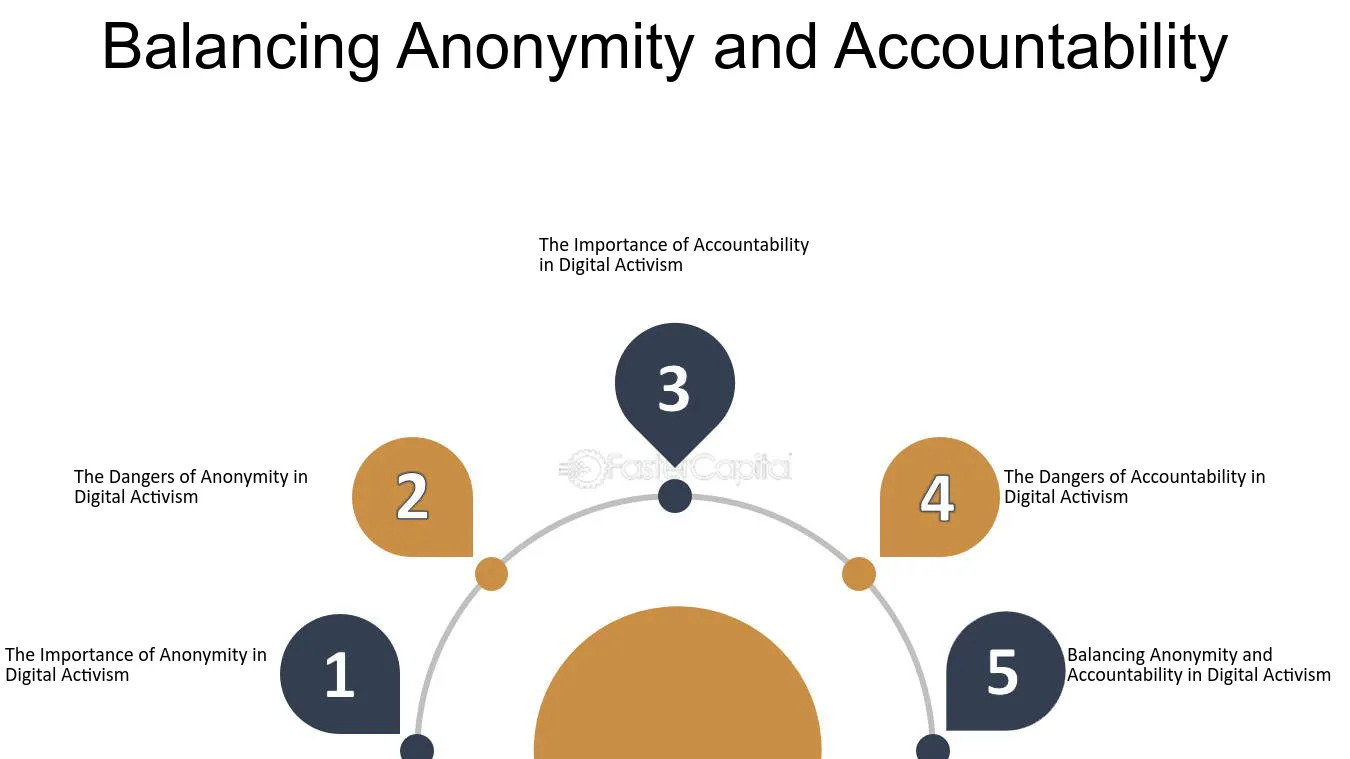
A more practical alternative would be a purpose-limited digital verification mechanism for social media users. It would not require public disclosure of identity. Nor would it eliminate anonymous speech. It would simply establish, through encrypted verification, that every account belongs to a real and legally traceable individual. The distinction matters.
A government critic, a whistleblower, a woman speaking against abuse, or a vulnerable individual discussing sensitive issues may all need anonymity. Public anonymity therefore remains important. But anonymity before the public should not mean invisibility before the law.
The challenge, however, lies in design. Any such system must operate within strict boundaries. No collection of browsing behaviour, no demographic profiling, and no unrestricted access to personal information. Platforms should never possess underlying identity data. Unmasking should occur only through judicial process and only in cases involving recognised criminal offences.
The objective should not be to place speech behind a permission counter. It should be to attach responsibility to actions.
Troll factories, deepfake networks and organised misinformation ecosystems thrive largely because they assume they can disappear behind layers of fake identities. Remove that assumption, and behaviour changes.
The choice before India is not between freedom and safety. Democracies constantly balance both. The real choice is between accountability and control.
A system of prior screening risks turning every citizen into an applicant seeking permission to speak. A system of verified accountability preserves liberty while making criminal misuse harder.
Democracies survive not because they silence dangerous speech before it appears, but because they punish genuine harm without placing every voice under suspicion.
Note: The lead picture is courtesy fastercapital.com