

When The Flock Walked Away
 Editor-in-Chief of indiacommentary.com. Current Affairs analyst and political commentator. Author of Cyber Scams in India, Digital Arrest, The Money Trap and The Human Hack
View all posts by this Author
Editor-in-Chief of indiacommentary.com. Current Affairs analyst and political commentator. Author of Cyber Scams in India, Digital Arrest, The Money Trap and The Human Hack
View all posts by this Author
By Sunil Garodia
First publised on 2026-06-05 11:29:23
About the Author
Editor-in-Chief of indiacommentary.com. Current Affairs analyst and political commentator. Author of Cyber Scams in India, Digital Arrest, The Money Trap and The Human Hack
View all posts by this Author
When a political party faces internal rebellion, the first responsibility of its leader is to play shepherd. Identify the wavering. Hear the grievances. Offer reassurance, extract commitment, prevent dissatisfaction from hardening into defection. It is unglamorous work. It is also the most important work a leader can do in a crisis.
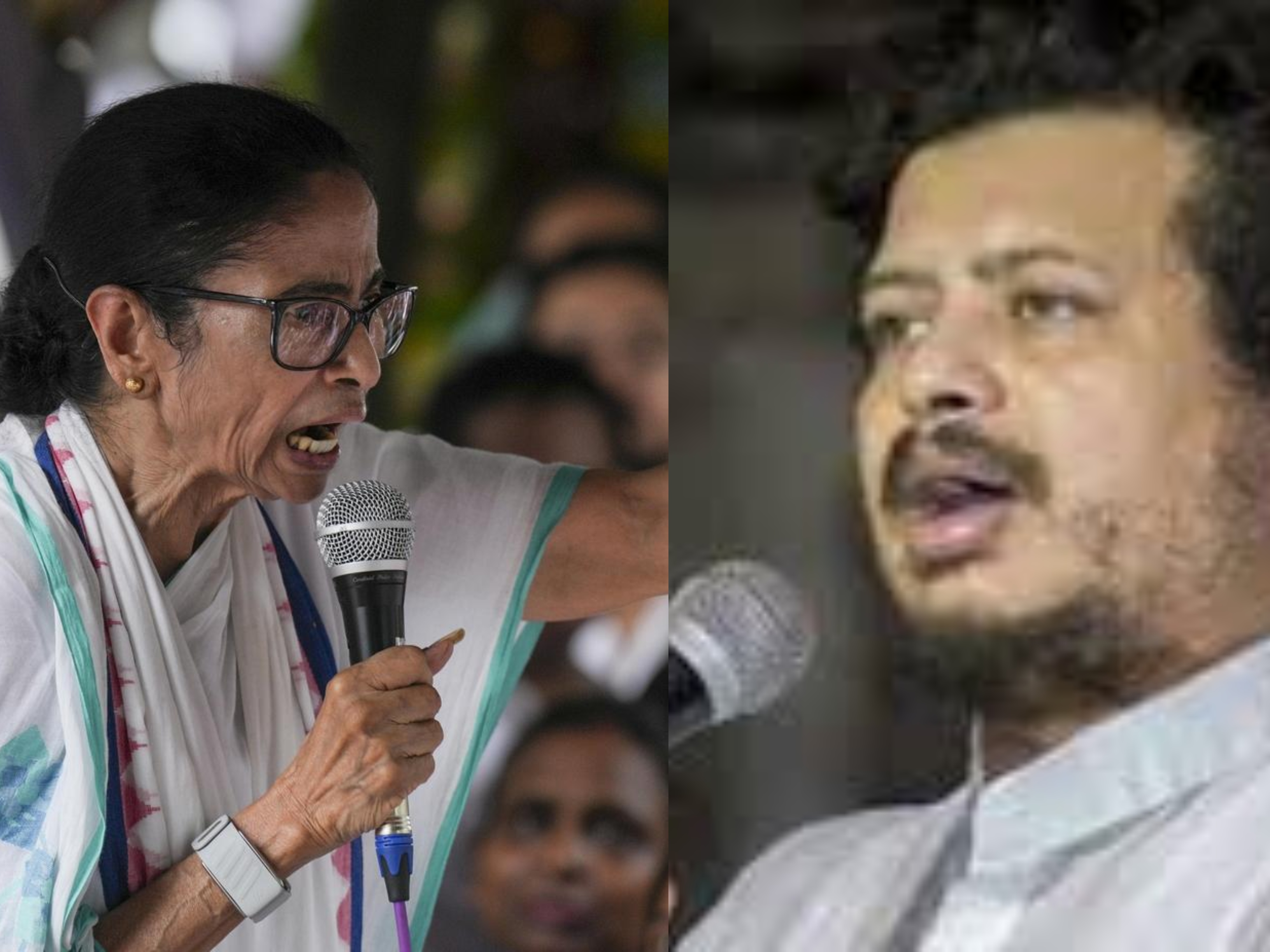
Mamata Banerjee needed to be that shepherd in May 2026. She was not. That failure has cost her the party she spent 28 years building.
The warning signs were not subtle. They were arithmetically precise. On May 6, two days after the TMC's crushing defeat in the Bengal assembly elections, Mamata convened a meeting of her newly elected legislators. Seventy-one of the party's 80 MLAs attended. At that meeting, she asked the room to rise and applaud Abhishek Banerjee for his role in the election campaign. For legislators who had watched their own margins collapse and spent weeks absorbing voter fury, the demand was not merely tone-deaf. It was an instruction to celebrate the leadership structure that many of them privately blamed for the defeat. The resentment that formed in that room would not dissolve.
On May 19, attendance at the next meeting fell to 65. On May 31, Mamata called a third meeting at her Kalighat residence. Twenty MLAs came. Sixty stayed away from their own party chief's home. The TMC leadership blamed the Sonarpur attack on Abhishek Banerjee two days earlier. That explanation was convenient. The trajectory, from 71 to 65 and then 20, was not a blip. It was a graph of accelerating desertion.
Any seasoned politician reading those numbers would have known what to do. Reach out individually to the wavering. Deploy trusted intermediaries. Address the grievance at the centre of the rebellion - which was, as dissident legislators would later make explicit, Abhishek Banerjee's stranglehold over the party organisation and the succession question it carried. None of this is sophisticated statecraft. It is standard political management, practised routinely by leaders far less experienced than Mamata Banerjee.
There is little evidence that she attempted any of it. On June 2, she held a day-long sit-in on Rani Rashmoni Road against post-poll violence. It was a performance pitched at her comfort zone, not at the crisis inside her own party. On June 3, 58 MLAs walked into the West Bengal Assembly and formalised the split that her three attendance figures had already announced.
There are only two explanations for the inaction. The first is that she misread the signs - that declining attendance was interpreted as local obligation, residual emotion over Abhishek's attack, or temporary frustration rather than coordinated withdrawal. If so, the political antenna she had honed across three decades of combat failed her at the only moment that mattered.
The second explanation is more damning. She saw the signs and did not believe they could end in a formal split. That is the arrogance of the indispensable leader - the conviction, built over years of watching every rebellion dissolve at her feet, that dissidence in the TMC was ultimately always theatrical. Mukul Roy left and returned. Suvendu Adhikari left and the party survived. The pattern had trained her to mistake loyalty for habit. This time the habit had broken.
The rebels offered her an off-ramp. Even as they repudiated Abhishek, they professed personal loyalty to Mamata and invited her to serve as chief adviser to their legislature group. She did not take it. By then, perhaps, the split was already irreversible.
Blindness to political reality and arrogance in the face of it are not separate character flaws. In a leader of Mamata's experience, they are two faces of the same coin: the occupational hazard of the supreme leader who has run a party so completely, for so long, that she can no longer read it as a political entity with its own internal life.
The warning was visible in the numbers. The empty chairs confirmed it. By the time 58 legislators walked away, the political will that had held the TMC together was no longer in the room - and had not been for some time.
That may not be the end of the story. Reports since the split suggest that nearly 16 of the rebel legislators have disputed ever offering Mamata the chief adviser's post and want her to remain leader of the legislature group. If the rebel bloc is already fracturing over its own terms, Mamata may be calculating that patience is now her best instrument - waiting for cracks to appear before making her move. Whether that is strategic clarity or a further rationalisation of inaction remains to be seen.