

TRAI Wants to Regulate Truecaller. It Should Regulate Spam Instead
By A Special Correspondent
First publised on 2026-07-09 12:16:05
About the Author

TRAI's latest move against Truecaller gets the problem backwards. The regulator wants power over caller-ID apps because it dislikes what those apps are telling consumers. It should instead ask why consumers needed those apps in the first place.
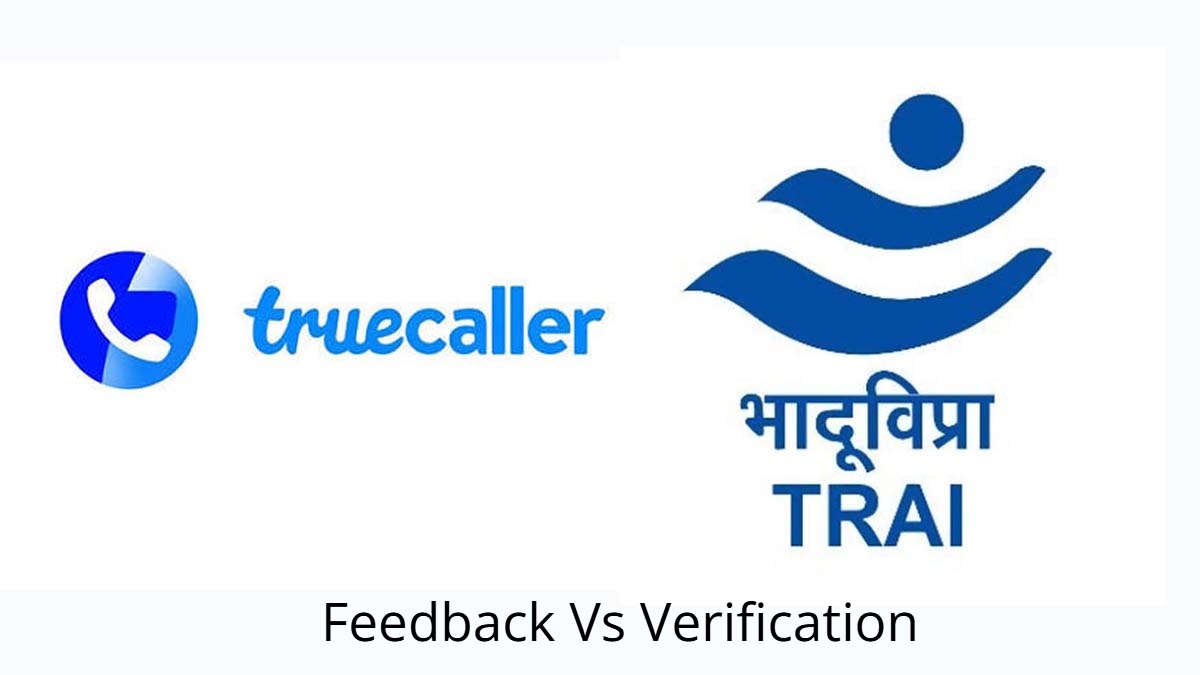
The dispute centres on Truecaller's decision to display a "Frequently Blocked" badge on calls originating from two special number series. The 140 series is reserved for registered promotional calls, while the 1600 series is used by banks and financial institutions for customer communication. TRAI has reportedly sought powers to regulate caller-ID applications on the ground that such labels undermine confidence in officially verified numbers.
The concern has surface appeal. Number series exist so consumers can tell genuine institutions from spoofed fraudsters. A bank may need to reach a customer about a suspicious transaction or KYC compliance. If that call goes unanswered because an app has flagged it, the consumer loses, not the bank.
But this conflates two different questions. Verification tells you who is calling. It does not tell you whether the call is wanted. A bank marketing a new credit card is calling from a legitimate number and making an unwanted call. Both facts are true at once. TRAI's framework has no way to hold them together.
Truecaller is not accusing 140 or 1600 numbers of fraud. It is reporting how its users behave. If millions of people block a category of calls, that is data. Suppressing it because the caller is government-verified does not make the calls more welcome. It only hides the pattern from the next recipient.
But verification and feedback are not competing signals. They serve different functions, and both are useful. A number can be verified and frequently blocked. Consumers are entitled to see both facts, not one filtered through the other.
There is another question TRAI should ask itself. Caller-ID applications did not create India's spam epidemic. They became indispensable because the existing regulatory framework failed to contain it. Distributed ledger technology, telemarketer registration and successive anti-spam measures have all been introduced over the years. Yet unsolicited calls remain an everyday nuisance. Truecaller merely filled a gap that regulation left behind.
None of this means caller-ID platforms deserve a free pass. An app that mislabels a verified institutional number as fraudulent, rather than merely unwanted, has crossed a line. Truecaller must keep that distinction sharp. TRAI has a legitimate interest in making sure essential bank communication is not buried under crowd-sourced noise.
The fix is disclosure, not suppression. Show the verification. Show that the number is frequently blocked by users. Let both sit on the same screen. A consumer who sees that a number is officially registered and frequently blocked by other users has more information, not less. That is what good regulation should produce.
The issue is not whether a caller is genuine. It is whether consumers are entitled to know how that caller has been received by millions of others. Good regulation should expand the information available to citizens, not narrow it. If TRAI wants to strengthen trust in India's telecom ecosystem, its priority should be reducing spam calls - not regulating the apps that help people avoid them.